
Menu
Close
Close
When people consider window tint, most of them simply imagine color or shade. The actual distinction of tint types is much more than that. The biggest choice you’ll face is between ceramic tint and dyed tint. And yes, the ceramic tint price is higher. But here’s the truth: ceramic tint saves you way more money over time.
Texas heat is no joke. In San Antonio, Houston, or Austin, you already know that the sun can make your car hot enough to make your steering wheel feel like a stove. That is why it is important to select the appropriate tint. Some tint types cool your car better, last longer, and protect your interior, while others fade, bubble, and force you to pay for replacements again and again.
This guide breaks down everything in simple terms, so you can see why ceramic tint comes out on top every single time. Read on to learn more.
Before we discuss savings, it is better to break it down in simple terms.
Dyed tint involves the use of a layer of dye to make your windows darker. It would appear well initially, but the color will fade away with time.
Ceramic tint applies small ceramic color particles that prevent heat and UV rays without causing the film to be dark enough
Now let’s get into the part everyone wants to know: price, long-term value, and what actually saves money.
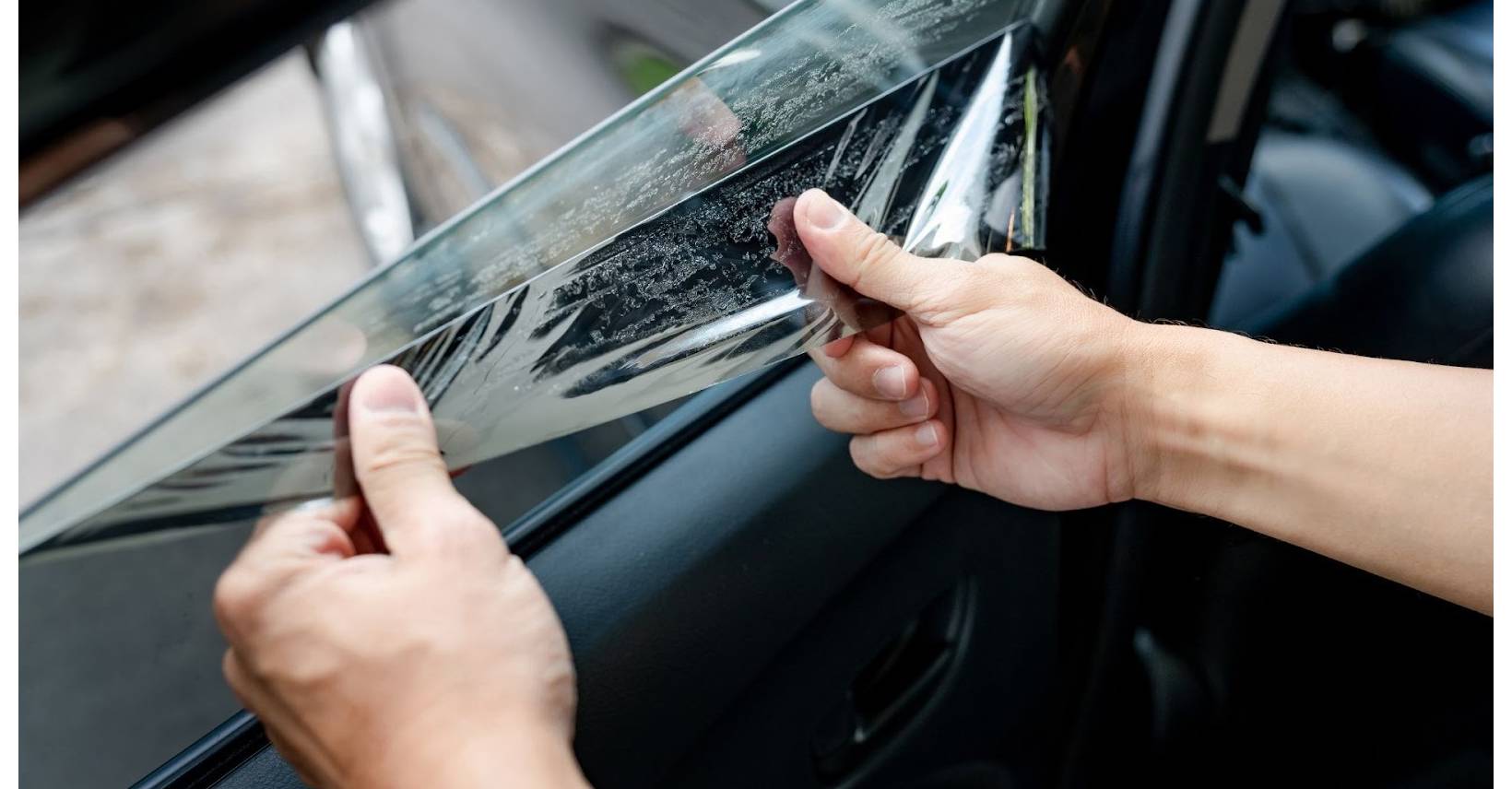
Let’s talk about the number one question almost every driver asks: How much does ceramic tint cost? The exact ceramic tint price depends on your car’s size, number of windows, and film quality. But here’s the usual range in Texas:
This is your average price for ceramic tint, and it’s higher than dyed tint. Dyed tint might only cost $120–$250 for the same car. But here’s the thing: ceramic tint lasts longer, blocks more heat, and actually reduces long-term costs. So the ceramic tint vs regular tint price difference might look big at first, but the long-term numbers tell a different story.
Some people think a cheaper tint helps them “save money.” But let’s break this myth in a simple way.
Ceramic films block up to 80% of heat, while dyed tint blocks only 10–20%.
Less heat = less AC use
Less AC use =
In Texas summers, that’s a huge deal.
The dyed tint fades, peels, and turns purple, often within 1–3 years.
Ceramic tint lasts 10+ years.
This means:
That way, even though the ceramic tint might cost more initially, you end up spending less in the long term since you do not need to spend on replacing the tint every time.
The Texas sun can destroy car interiors fast.
Without protection, UV rays can:
Ceramic tint blocks up to 99% of UV rays, while dyed tint blocks much less. You save hundreds, sometimes thousands, on interior repairs.
When a car stays cooler, cleaner, and protected from sun damage, buyers notice.
Ceramic tint helps keep:
This makes your car worth more later.
Texas weather hits hard, especially in:
Ceramic tint holds up better and keeps your car cooler in all three cities. Dyed tint struggles and often breaks down fast. If you look at the real math, ceramic tint pays for itself multiple times.

Here’s a quick breakdown you can skim:
Feature | Ceramic Tint | Dyed Tint |
Heat Blocking | (Excellent) | (Low) |
Fade Resistance | Stays strong for years | Fades quickly |
UV Protection | Blocks up to 99% | Minimal protection |
Visibility | Clear and sharp | Can look hazy or dull |
Durability | 10+ years | 1–3 years |
Signal Interference | No interference | Possible distortion |
Long-Term Cost | Saves money over time | Costs more due to replacements |
So, which tint should you choose? Here’s a simple tip: If you live in a cool state, a dyed tint might work.
But in Texas, with long, hot summers, ceramic tint is the smarter choice.
Ceramic tint checks every box.
Ceramic tint prices stay pretty close across Texas, but the needs of drivers can change from city to city. Regardless of your location, be it San Antonio, Houston, or Austin, you will realize that there is something different about the sun. Some places are hotter during the afternoon, others are really humid, and others have long hours of direct sunlight. That is why the ceramic tint price could alter slightly. It often depends on things like:
But here’s the good news: ceramic tint performs well everywhere in Texas. It withstands long summer, hot car parks, and long journeys under blazing skies. To get a more accurate figure of your city, the most favorable thing to do would be to obtain a quick estimate from one of your local shops that is trusted.
Thus, you get to observe the actual cost for your car, your tint shade, and your local conditions without speculation or comparison of random graphs on the internet.

When you invest in ceramic car window tint, you want installers who know what they’re doing. That’s why so many drivers across Texas choose Beat The Heat Window Tinting.
Here’s what makes us stand out:
With the right team and the right film, ceramic tint works better and lasts longer.
Ceramic tint can be more expensive than dyed tint in the short run, but it will end up saving you more in the long run. It will make your car keep cool, preserve your interiors, save you on AC consumption, and last for years without fading.
In San Antonio, Houston, or Austin, you should use ceramic tint because it is more comfortable and the best investment in the long term. Are you looking to tint your car with ceramic tint that is of high quality? Visit Beat The Heat Window Tinting today and book your installation with the Texas tinting experts.
Yes. Although the price of ceramic tint is higher, it offers better heat blocking, UV protection, and long-term savings.
High-quality ceramic tint can last 10–15 years or more.
Not at all. You can choose lighter shades that still block heat.