
Menu
Close
Close
Thinking about tinting your car windows? Smart move! It not only adds that sleek appearance to your ride but can also save your skin from a burn, remove glare and help in cooling a car down under the Texas sun.
However, there is one thing you should know before rolling over into a tint shop: the auto window tint percentages count more than you think.
In this guide, we will break down everything about tint levels, selecting the proper tint, and what Texas laws allow. Read on to learn more.
Auto window tint percentages refer to the amount of visible light that can pass through the window. This is called VLT (Visible Light Transmission). It’s measured in percentages.
So, a 70% tint lets 70% of the light in, while a 20% tint only lets in 20%. Simple, right?
So, you’re thinking about tinting your car windows but aren’t sure what percentage to go with? No worries! Let’s break it down in plain English so it all makes sense.
Each auto window tint percentage refers to how much visible light can pass through the window. The lower the number, the darker the tint. Pretty simple. Here’s a closer look at the most common car window tint levels:
This one’s super light. It lets in 70% of the light, which means it only blocks 30%. It’s perfect if you want a clean, barely-there look. Many drivers use this on their front windshields for a little extra UV protection by tinting the darkness without hurting visibility, especially helpful when driving at night.
Want to reduce glare but still keep things bright? This one strikes a nice balance. It cuts down a bit of brightness and glare, making it easier on your eyes without looking too tinted. Ideal for folks who want function more than fashion.

This is a fan favorite. It gives you noticeable glare reduction tint percentages while staying legal in lots of places, including parts of Texas. It also offers some privacy, which makes it a great middle-ground option. Stylish, practical, and easy on the law.
Now we’re getting darker. With 20%, people outside will have a hard time seeing in especially during the day. It’s a great pick for the back windows if privacy’s your top concern. Just double-check those state window tint laws so you stay on the right side of things.
This is the darkest of the bunch. Only 5% of light gets through, so it looks super sleek and private. Sounds cool, right? But here’s the thing: it’s usually not the darkest legal window tint for front windows. It’s most often used on rear windows or for show cars.
Each level gives you something different, whether it’s style, comfort, protection, or privacy. Your best pick depends on your personal needs, legal tint limits in Texas, and how dark you’re comfortable going.
VLT (Visible Light Transmission) is the star of the show. It determines how light or dark your tint appears.
Here’s what it affects:
But wait! Just because a tint is darker doesn’t always mean better UV protection. High-quality films (like ceramic tints) can block UV rays without being super dark. So pay attention to both tint percentage and film type.
Not sure where to start? This vehicle tint percentage guide should help you figure out what suits your ride:
Pro Tip: Stick with a 35% tint or lighter for your front windows to stay legal and safe.

Speaking of window tinting laws in Texas, here’s what you need to know about the legal tint limits:
You also need a sticker on your driver-side window showing the tint is legal. And remember, some medical exemptions allow for a darker tint, but you need official paperwork for that.
The darkest legal window tint for front side windows in Texas is 25% VLT. For rear and back windows, you can go darker. So, want a limo tint (5%)? That’s fine, just keep it on the back side and rear windows only. For the front, stick with something lighter if you want to stay on the right side of the law.
Want more privacy on the road or when parked? Consider these privacy window tint levels:
This is especially helpful for parents, solo travelers, or anyone who leaves valuables in the car. Just make sure you don’t overdo it on the front windows!
Tired of squinting while you drive? Let’s talk about glare reduction tint percentages.
The lower the number, the less glare. It makes driving safer and more comfortable, especially during sunrise and sunset.
Does a darker tint mean better UV protection? Not always. High-end films offer UV protection by tint darkness, but some light films do too. Look for tints that say block 99% of UVA/UVB rays. That’s what protects your skin and your interior.
This helps:
So, darker isn’t always better. Focus on film quality too.
Here’s the deal: state window tint laws vary. What’s legal in Texas might get you ticketed in another state.
If you move or travel often:
Better safe than sorry!
Picking your perfect tint is all about balance. Ask yourself:
Answering these questions will help you pick the right percentage and film type.
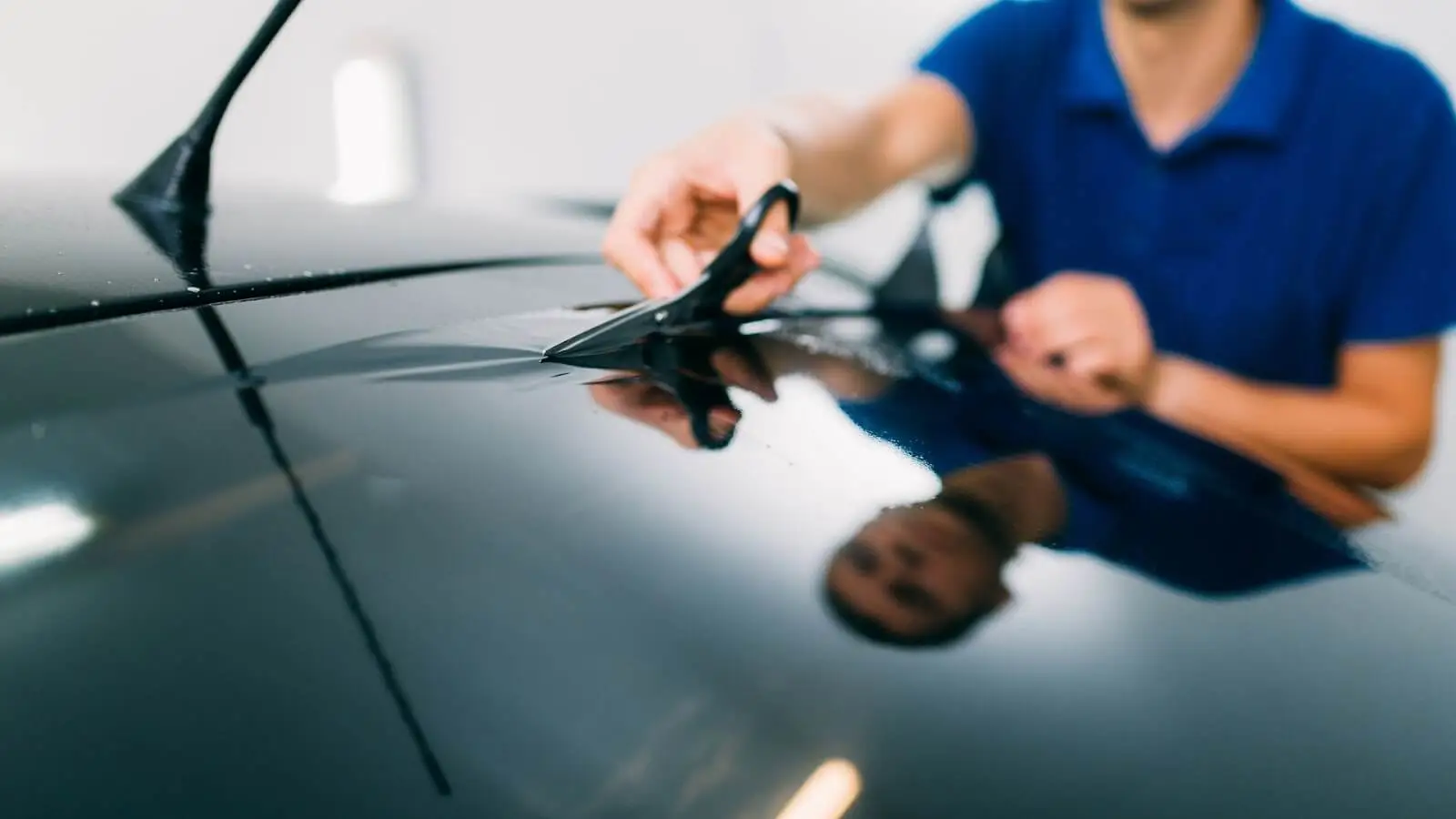
Need help choosing and installing the perfect tint? Trust the pros at Beat the Heat Window Tinting in San Antonio, and Houston. We know what works in the San Antonio heat, and we’ll guide you through every step.
Why choose us?
We’ll help you stay cool, protected, and within the law. Ready to roll? Let’s talk tint!
Now that you understand auto window tint percentages, you’re ready to make a confident choice. Whether you want to beat the glare, increase privacy, or stay legal in Texas, there’s a tint level that’s perfect for you. Want help picking the best one? Contact Beat the Heat Window Tinting today and let us help you ride in comfort and style.
It means only 20% of visible light can pass through the glass. It’s darker and offers more privacy.
Only on the rear and back side windows. Front side windows must allow at least 25% light.
Yes, but only the top portion (AS-1 line) or a strip not lower than 5 inches with 25% VLT or higher.
35% is very popular. It looks great, blocks glare, and is legal in many states.
Not always. High-quality films can block UV rays even with higher VLT. It’s about the film, not just the shade.
Yes, darker tints (under 20%) can make night driving harder. Choose wisely based on your habits.